
The Brand
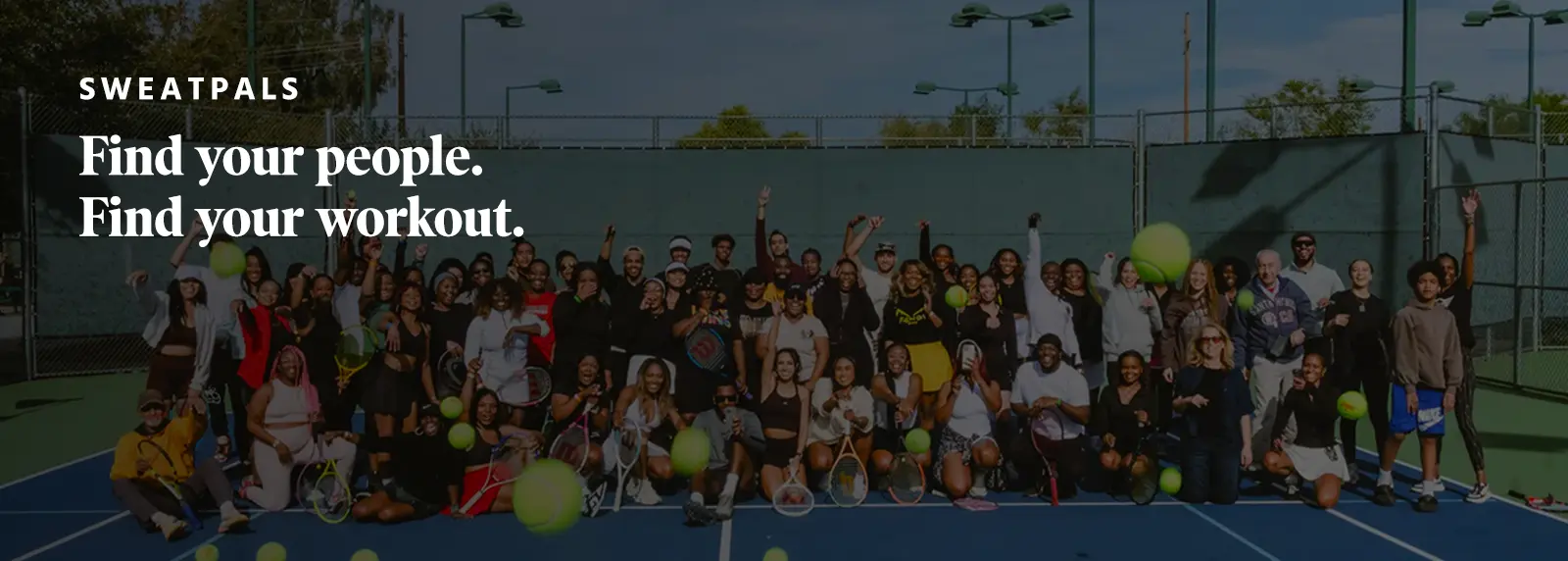
SweatPals is a fitness-and-wellness marketplace where workouts feel more like hangouts. It connects two sides of a community: hosts and clubs who create real-world events — run clubs, yoga, pickleball, social wellness clubs, retreats — and the people who show up to join them.
The category it plays in isn’t really fitness; it’s belonging. People don’t sign up for a sweat session so much as for the crew, the routine, and the feeling of being part of something local and ongoing. SweatPals turns that into a platform: hosts get the tools to run and fill events, and members get an easy way to find their people and their next workout.
The Situation
SweatPals needed to scale both sides of a marketplace at once — fill events with members and recruit the hosts who create them — without losing efficiency as spend grew. The business set a concrete bar: a 3x return on ad spend against event GMV.
Two things made that hard. First, a marketplace only works when supply and demand are matched locally; a generic “join a workout” message doesn’t move someone to buy a ticket to a specific event in their own city this weekend. Second, scaling paid acquisition responsibly requires trustworthy measurement across both app and web — which meant the tracking foundation had to be rebuilt before spend could be pushed. The conversion that mattered was a purchase: an event registration or ticket. Everything had to ladder to that.
The Solution
SocialQ started with the foundation. Before scaling spend, we implemented cross-platform conversion tracking (AppsFlyer), standardized UTM and campaign-naming conventions tied to community and event IDs, and stood up live reporting — so every dollar could be measured against a real purchase rather than a guess.
On acquisition, Meta carried the program, structured around the thing people actually buy: events. Event-support campaigns mapped paid spend to specific local activations, while “Lineups” and “Editors’ Picks” video creative — week-in-my-life, what’s-on-this-weekend, choose-your-vibe — gave each market a concrete, scroll-stopping reason to register. On the supply side, we ran Google host-acquisition search against high-intent terms to recruit hosts where they were already searching. Underneath the media, landing-page A/B testing and lifecycle email/SMS flows tightened conversion and retention. Throughout, campaigns were judged against their objective: purchase-driving campaigns to the ROAS target, awareness efforts on their own terms.

The workout is the excuse. The people are the point.
Across the June–December 2025 program, an events-first paid social strategy turned local activations into efficient, repeatable purchase volume:
2.9X
BLENDED ROAS
15,254
PURCHASES DRIVEN
$11
CPA